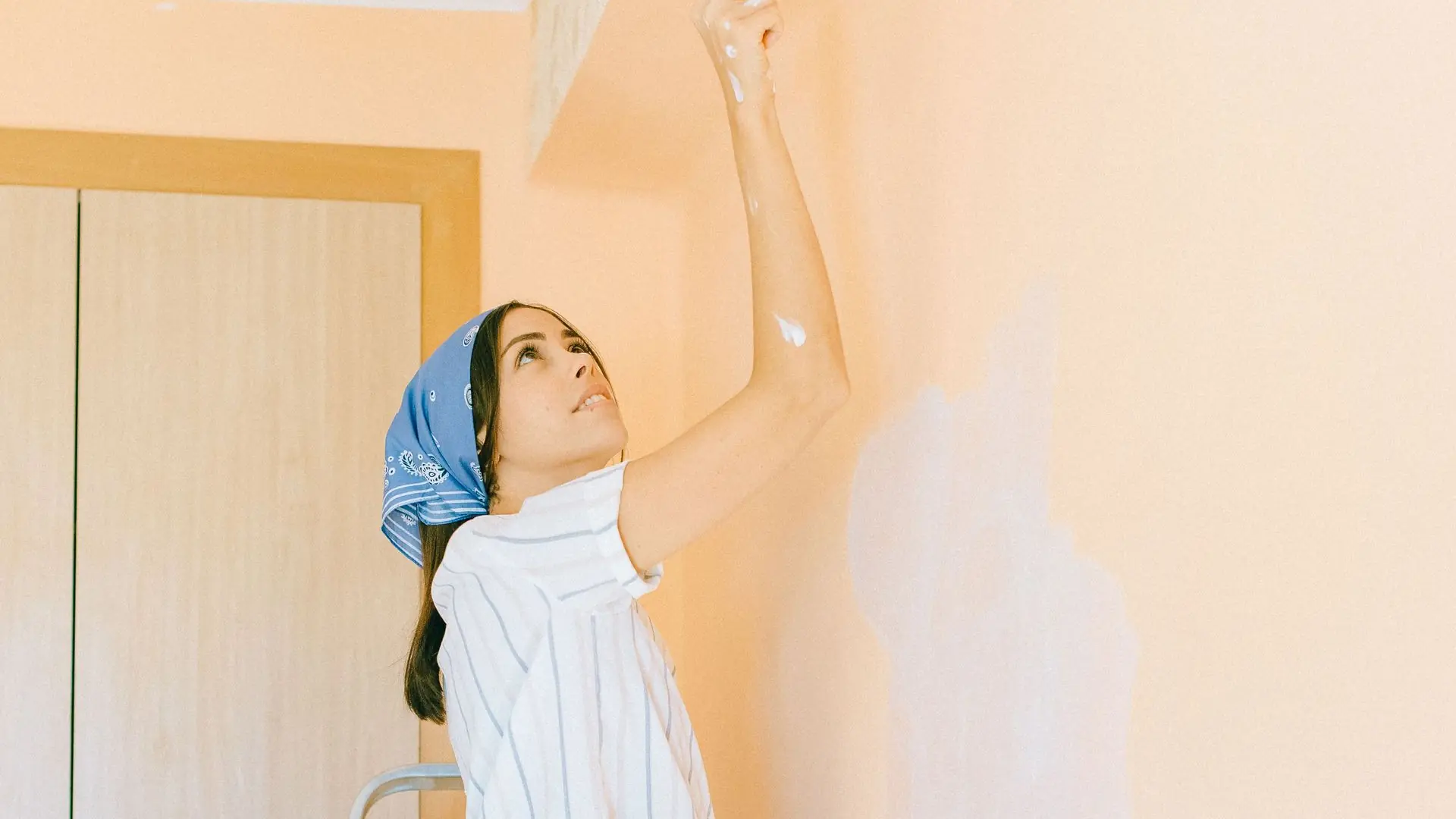
Walls collect scuffs, trim fades near windows, and ceilings develop water stains that no amount of cleaning removes. J.Lynn Painting handles interior painting in Poultney for homes and businesses where surfaces need more than touch-ups—they need proper preparation and professional coatings that last. You'll see the difference in how light reflects evenly across repaired drywall and how edges stay crisp where ceiling meets wall.
Interior painting involves patching holes and cracks, sanding uneven spots until smooth, masking trim and fixtures, priming raw or stained surfaces, and applying finish coats that protect against everyday contact. The preparation determines how long the finish lasts and whether old flaws telegraph through new paint. Cabinets require deglossing and bonding primers that grip slick factory finishes, while ceilings need specific roller techniques to avoid lap marks under angled light.
Schedule a property walkthrough to assess surface conditions and discuss finish options for each room. Speak with us →
What Proper Surface Preparation Actually Involves
Surface prep begins with patching cracks and nail pops using joint compound applied in thin layers, sanded flush once cured. Glossy trim gets scuffed with fine-grit paper so new coatings bond rather than peel, and stains from water or smoke get sealed with blocking primers that prevent bleed-through. Masking protects flooring, windows, and adjacent surfaces you're not painting, and priming raw wood or fresh drywall ensures the topcoat spreads evenly without soaking in.
After the work finishes, you notice walls that feel smooth to the touch, trim with clean lines where colors meet, and ceilings without streaks or shadows from uneven coverage. Doors close without sticking to fresh paint, cabinet surfaces resist fingerprints better than worn finishes, and rooms smell clean rather than like solvents because proper ventilation was maintained throughout. The coating protects drywall paper from moisture and prevents trim wood from absorbing humidity that causes swelling.
The service includes moving lightweight furniture and replacing outlet covers, but does not include major furniture relocation, wallpaper removal, or mold remediation. If you're repainting kitchen cabinets, hardware gets labeled and stored so everything reinstalls in the correct location. Projects in occupied homes require covering HVAC vents and sealing doorways with plastic to contain dust from sanding.